All Categories
Featured
Table of Contents
- – The Growth of Shared Services in the regional ...
- – Functional Excellence and Modern Innovation in...
- – The Strategic Value of centralized operations
- – Talent Management and Local Combination in the...
- – Standardization and the Drive for Performance
- – Dealing With Information Residency and Security
- – The Future of Shared Provider Beyond 2026

The Growth of Shared Services in the regional market

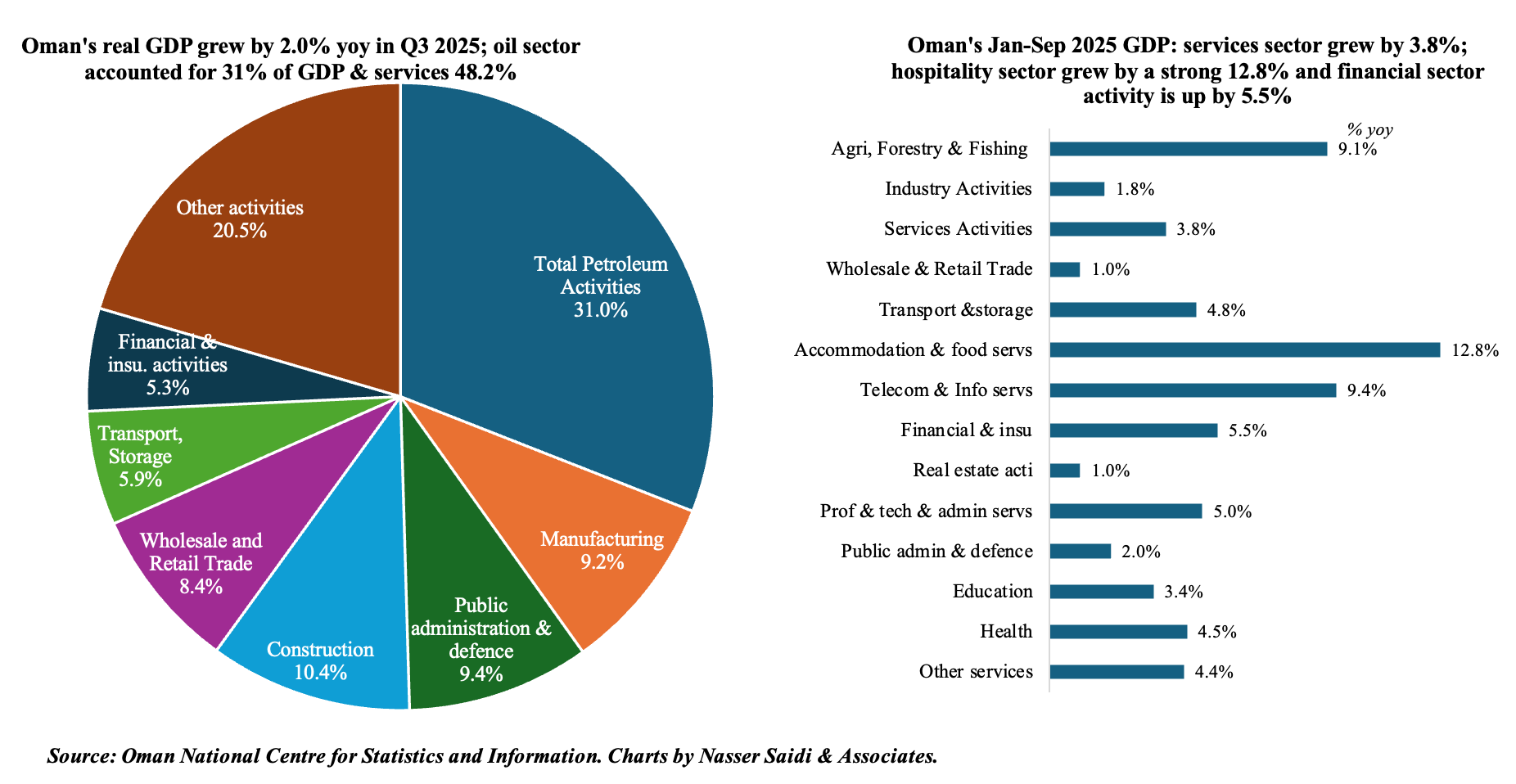
The year 2026 marks a considerable period for business structures across the Gulf. Magnate have actually moved past the preliminary phase of simply centralizing functions to save money. Today, the focus is on how these centralized systems can generate value and assistance long-term economic objectives. In areas like the surrounding region, the shift towards sophisticated service models is clear. Organizations are no longer content with centers that simply procedure invoices or manage payroll. They want centers that offer information analytics, manage complex compliance jobs, and drive procedure enhancement.
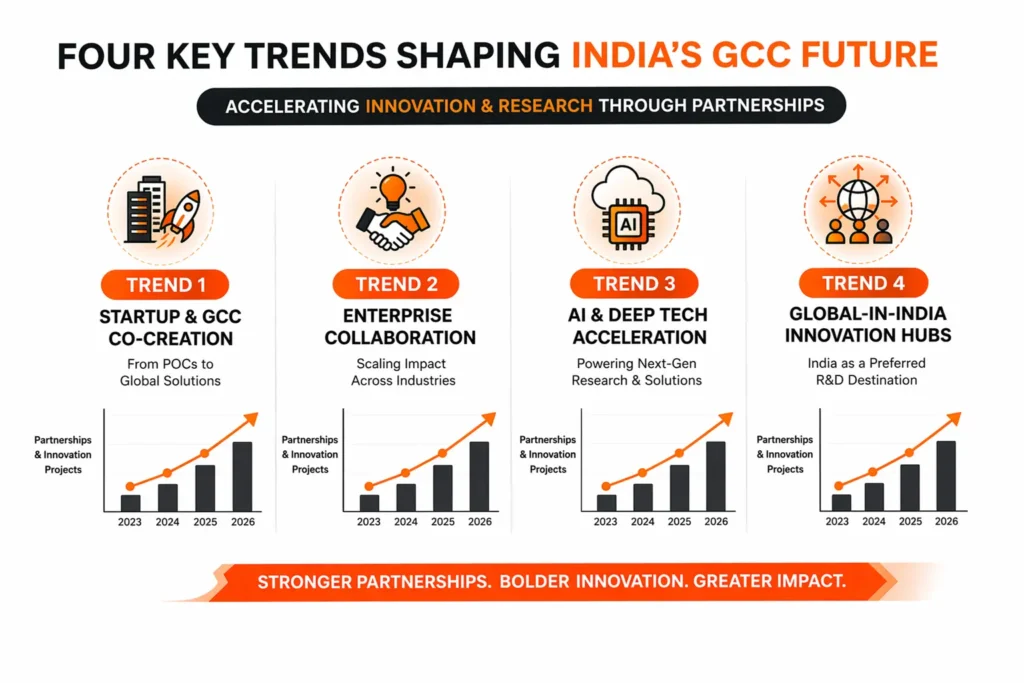
This modification belongs to a larger trend where corporations seek to become more nimble in a fast-moving economy. By 2026, the traditional shared services center (SSC) has actually frequently been rebranded as a global organization services (GBS) system. This name modification shows a change in scope. Rather of being a back-office support function, these centers now act as strategic partners. They assist business react to market changes quicker by providing real-time data and standardized processes across different nations.
Functional Excellence and Modern Innovation in 2026
Innovation has actually played a central role in this development. While basic automation was the requirement a couple of years ago, the environment in 2026 is specified by hyper-automation and the combination of advanced artificial intelligence. These tools allow centers to manage large volumes of information with very little human intervention. In the local market, lots of business now prioritize Digital Tools within their operational designs to make sure that data remains accurate and available across the entire business.
Using generative AI has likewise grown. In the early 2020s, it was a novelty, however in 2026, it is a standard tool for preparing reports, answering internal queries, and even anticipating capital patterns. This shift has gotten rid of much of the repeated work that as soon as defined shared services. Workers who used to spend their days entering information now invest their time analyzing it. This has altered the employing profile for these centers, with a higher emphasis on analytical skills and service acumen instead of simply administrative proficiency.
The Strategic Value of centralized operations
One of the main drivers for this advancement is the requirement for better governance. As Gulf countries update their regulatory requirements, monitoring compliance across numerous jurisdictions ends up being challenging. A central service unit provides a single point of control. This makes it much easier to implement new guidelines and ensure that every part of business follows the very same standards. In the region, this central method has become a preferred method for managing risk in a complicated regulatory environment.
Beyond compliance, these centers are becoming sources of insight. By 2026, the data gathered by shared services is utilized to inform major service decisions. If a company desires to broaden into a brand-new area, the SSC can offer a detailed analysis of labor expenses, tax implications, and supply chain performance in that area. This turns the center from a cost center into a value-driver. Lots of local leaders now look for methods to boost their Innovative Digital Tools Design to remain competitive in a significantly congested market.
Talent Management and Local Combination in the Gulf
The labor market in 2026 presents both obstacles and chances for shared services. Gulf countries have actually continued their push for nationalization in the economic sector. This implies that centers must find methods to draw in and train regional skill. The success of a center in the local urban area often depends on its ability to construct strong relationships with local universities and trade training programs. Business are buying long-term development programs to ensure they have a consistent stream of proficient workers who understand both the local culture and international organization standards.
Remote and hybrid work models have actually likewise ended up being permanent components by 2026. Shared services centers were once large workplaces filled with hundreds of individuals, but today they are often leaner. Some functions are decentralized, while the core tactical work stays in a main workplace. This versatility has actually helped business manage costs and draw in talent from across the region without needing everyone to move. It likewise needs a different design of management, concentrating on results and results rather than time invested at a desk.
Standardization and the Drive for Performance
Efficiency remains a core objective, however the definition has actually widened. In 2026, efficiency is not almost doing things less expensive, it has to do with doing them better. Standardization is the approach used to achieve this. When every branch of a business utilizes the very same procedure for procurement or human resources, the entire company relocations faster. Mistakes are lowered, and it becomes a lot easier to scale operations when the organization grows.
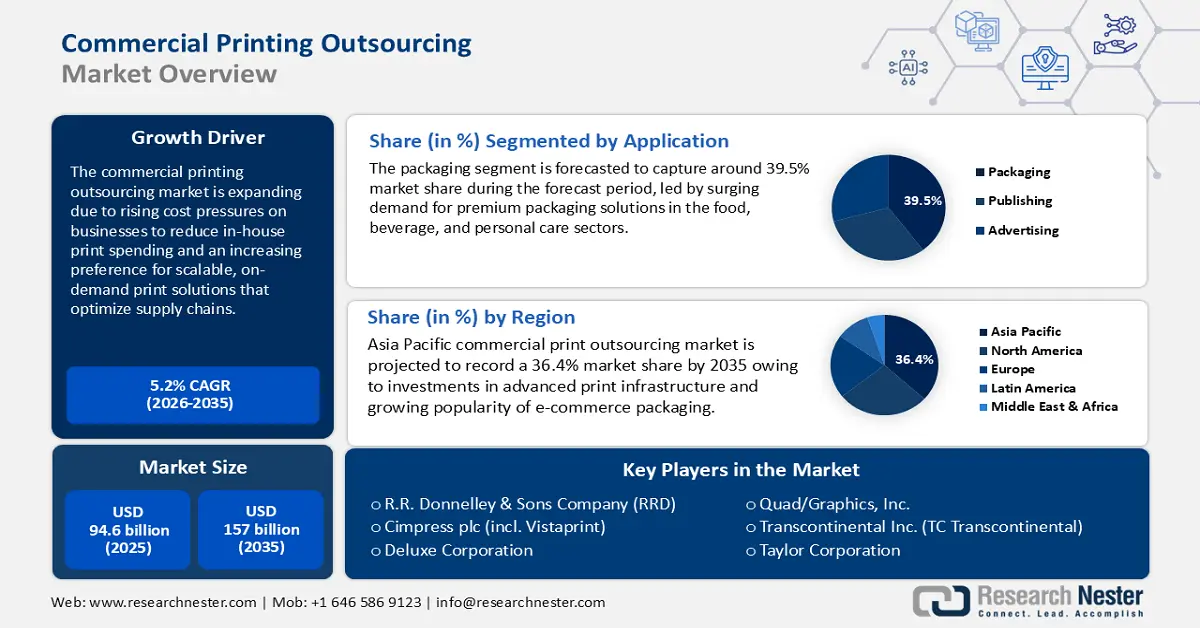
The concentrate on business support functions has actually caused a rise in customized provider. Some business choose to keep their shared services in-house, while others use a hybrid design. This involves keeping tactical functions internal while moving transactional tasks to third-party providers located in the local market. This mix permits a balance in between control and versatility. By 2026, these partnerships have become more collective, with service suppliers often working as an extension of the customer's own group.
Dealing With Information Residency and Security
Information security is a top concern for any center operating in 2026. With the increase of digital operations, the risk of cyber risks has increased. Gulf nations have executed rigorous data residency laws, needing certain types of information to be saved within national borders. Shared services centers have needed to adjust by constructing localized information centers or using regional cloud service providers. This guarantees that they stay certified with regional laws while still benefiting from the efficiency of a centralized design.
Security is no longer simply a technical problem. It is a basic part of the service delivery design. Customers and internal stakeholders anticipate that their information is protected by the most current file encryption and monitoring tools. Centers in the surrounding territory that can prove their security qualifications typically have a competitive advantage. They are seen as trustworthy partners who can be trusted with sensitive monetary and personal details.
The Future of Shared Provider Beyond 2026
Looking towards 2027, the trajectory for shared services in the Gulf stays up. The area is becoming a chosen location for global companies to establish their local bases. The combination of modern infrastructure, a strategic geographical location, and a growing skill swimming pool makes it an appealing option. As the economy continues to diversify, the need for advanced company services will only grow.
The next stage will likely involve even deeper combination in between human employees and AI. We are seeing the rise of "digital twins" for company procedures, where a center can replicate a change in a process before in fact implementing it. This minimizes danger and permits continuous experimentation and enhancement. The centers that thrive will be those that accept change and continue to look for brand-new methods to support the broader service objectives.
The development seen by 2026 is a clear indication that shared services have moved from the margins to the center of corporate strategy. They are the engines that power the contemporary Gulf economy. By concentrating on operational quality, talent advancement, and the smart usage of innovation, these centers are helping to construct a more durable and effective organization environment for the future.

Table of Contents
- – The Growth of Shared Services in the regional ...
- – Functional Excellence and Modern Innovation in...
- – The Strategic Value of centralized operations
- – Talent Management and Local Combination in the...
- – Standardization and the Drive for Performance
- – Dealing With Information Residency and Security
- – The Future of Shared Provider Beyond 2026
Latest Posts
Benefits of Diversified Capital Allocation in 2026
Future Middle East Market Trends for 2026 Global Markets
Building Sustainable Financial Portfolios with GCC Securities
Latest Posts
Benefits of Diversified Capital Allocation in 2026
Future Middle East Market Trends for 2026 Global Markets
Building Sustainable Financial Portfolios with GCC Securities