All Categories
Featured
Future Middle East Market Trends for 2026 Global Markets
Building Sustainable Financial Portfolios with GCC Securi...

Ways to Leverage International Capital Potential in 2026
Top Global Investment Opportunities across the Middle East Market
Table of Contents
The European Union (EU) and the Gulf Cooperation Council (GCC)consisting of Bahrain, Kuwait, Oman, Qatar, Saudi Arabia, and the United Arab Emiratesplay a key role in international trade and financial investment. Trade in between the countries represented by these bodies reached 174 billion in 2022. The GCC Customs Union has improved market access and reinforced economic ties, EU exports to the GCC stay strong, and imports from GCC nations have revealed significant growth.
By focusing on innovation-driven industries, the task leverages the EU's proficiency to support the GCC's diversity goals. The effort promotes collaborations in between federal governments, companies, and stakeholders to drive financial development. It offers research-based suggestions to improve the company environment and address market obstacles. Furthermore, the EU Chamber of Commerce in Saudi Arabia will be enhanced and broadened to support other GCC countries.
Develop and strengthen government-to-government, government-to-business, and business-to-business contacts, networks, and joint projects to boost financial cooperation and financial investment between the EU and GCC. Help in running an EU Chamber of Commerce in Saudi Arabia, with potential assistance for similar initiatives in other GCC nations. Provide research-based suggestions and policy analysis to enhance the organization environment and get rid of challenges to market access.
How Economic Diversification Can Shape GCC MarketsVital Factors Influencing Gulf Economic Outlooks for 2026
Familiarize stakeholders with relevant EU and GCC policies, programs, and synergies in high-priority areas to foster partnership. RELATED MATERIAL: The Land Period Support activity originated an affordable, participatory land registration system that works at the local level, allowing smallholder landowners to protect their home rights.
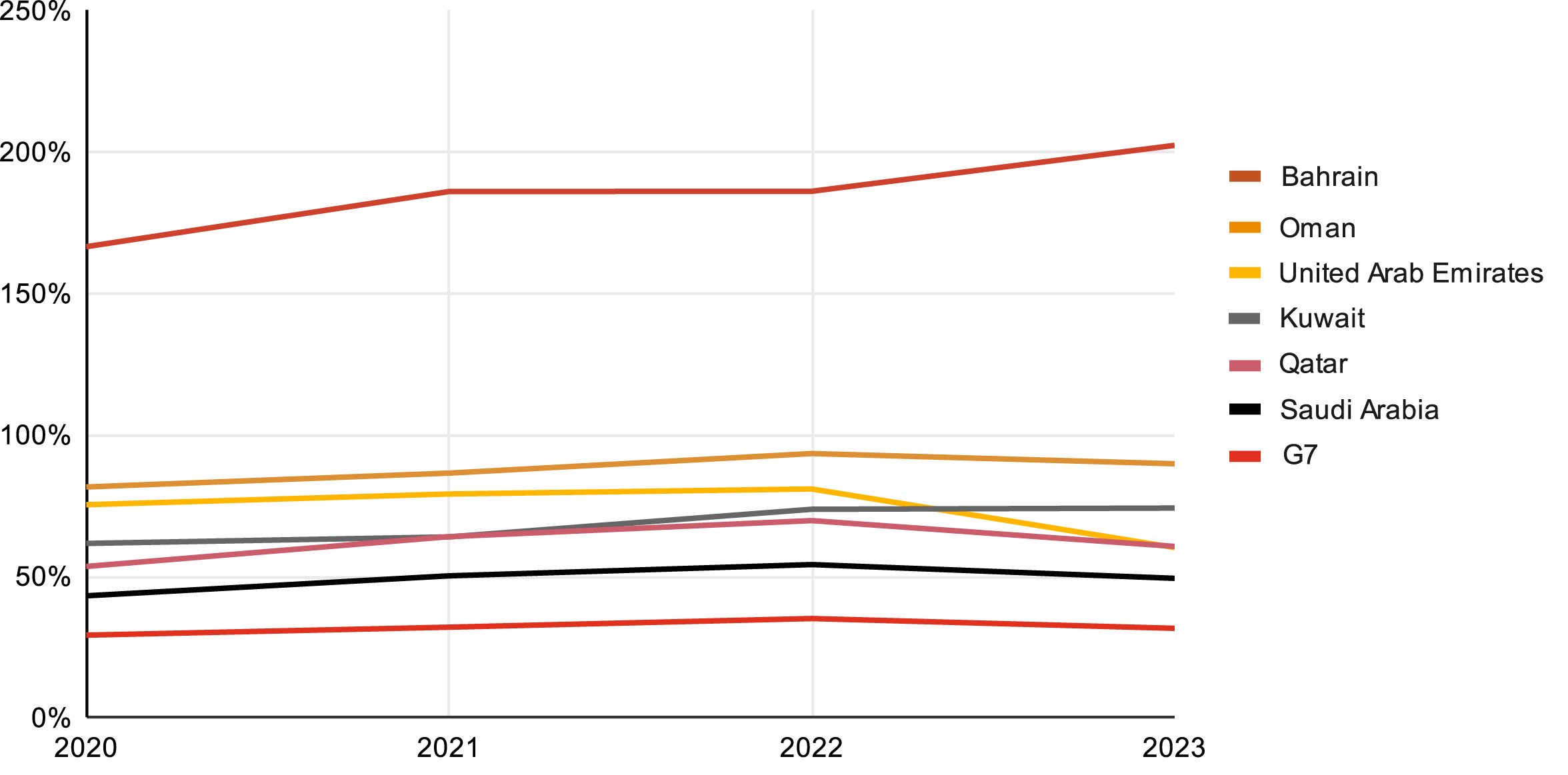
Listed: Mr. Tim Callen Reda Cherif Fuad Hasanov Mr. Amgad Hegazy Padamja Khandelwal The economies of the six Gulf Cooperation Council (GCC) countries are greatly dependent on oil. Greater economic diversity would minimize their direct exposure to volatility and uncertainty in the worldwide oil market, help create tasks in the personal sector, boost performance and sustainable growth, and assist develop the non-oil economy that will be needed in the future when oil earnings begin to dwindle.
However, success to date has been restricted. This paper argues that increased diversity will need realigning rewards for firms and employees in the economiesfixing these rewards is the "missing link" in the GCC countries' diversification methods. At present, producing non-tradables is less risky and more rewarding for firms as they can take advantage of the simple accessibility of low-wage foreign labor and the quick growth in federal government spending, while the continued schedule of high-paying and safe public sector jobs discourages nationals from pursuing entrepreneurship and private sector employment.
Roadmap to Gulf Stock Equity Success for 2026
Mr. Tim Callen & Reda Cherif & Fuad Hasanov & Mr. Amgad Hegazy & Padamja Khandelwal, 2014. "," IMF Personnel Conversation Notes 2014/012, International Monetary Fund. Manage: RePEc: imf: imfsdn:2014/ 012 All material on this website has actually been offered by the particular publishers and authors. You can assist appropriate errors and omissions. When asking for a correction, please discuss this item's manage: RePEc: imf: imfsdn:2014/ 012.
It also allows you to accept possible citations to this product that we are unsure about. We have no bibliographic referrals for this item.
If you know of missing items mentioning this one, you can help us creating those links by adding the appropriate referrals in the exact same way as above, for each refering product. If you are a registered author of this product, you may also wish to inspect the "citations" tab in your RePEc Author Service profile, as there may be some citations awaiting verification.
Dynamic Middle East Equity Market Patterns to WatchGeneral contact information of company: . Please note that corrections may take a couple of weeks to filter through the different RePEc services.
Why the Middle East Becoming Primary Investment Hub?
Using an empirical and relative approach, this term paper analyses the previous record and future patterns of financial diversity efforts in the 6 Gulf Cooperation Council (GCC) countries. Using the methodology of material analysis, possible future diversification trends are studied from present development strategies and nationwide visions published by the GCC federal governments.

Present advancement plans point all to diversification as the methods to secure the stability and the sustainability of earnings levels in the future. Although the states continue to lead the economies, diversity requires a reinvigoration of the personal sector and as such necessitates the implementation of wider reforms. The paper, nevertheless, questions the likelihood of diversification plans being equated into action.
In addition, the policy response to pre-empt the Arab Spring uprising shows that these routines quickly give up their well-argued and scheduled policies when under pressure and draw on established ways of working, particularly through patronage and the primary function of the general public sector. The prospect of diversifying economies through politically hard economic reforms has actually suffered a substantial obstacle.

Latest Posts
Benefits of Diversified Capital Allocation in 2026

Future Middle East Market Trends for 2026 Global Markets

Building Sustainable Financial Portfolios with GCC Securities